
Since 2022
We’ve spent three years buying artisan goods with our own money, living with them for weeks, and publishing the unfiltered results. About a third didn’t make it through our process. You’ll find out which ones, and exactly why.
The gap between
“artisan” and actual craft
is wider than you think.
Four things we do that most affiliate sites either can’t or won’t.
We own everything we recommend.
No press samples. No review units sent by sellers. Every product on this site was purchased at full retail price from Amazon, usually anonymously, using our own card. That means no one knew a review was coming, no one prepped a “special batch” for us, and no one can pull their product from our coverage by withdrawing access.
In practice: when we reviewed that popular hand-thrown pitcher from an Etsy-to-Amazon shop, the second unit arrived with a crack in the base. We reported it.
Factory goods with rustic finishes don’t make the cut.
There’s a category of product — poured into moulds, painted by machine, sold with a backstory that doesn’t hold up — that accounts for maybe 40% of what’s marketed as “handmade” on Amazon. We’ve gotten good at spotting it. The tells are subtle: weight distribution that’s too uniform, glaze pooling that follows a pattern, tool marks applied after firing. We’ve rejected 23 products in the past year on this basis alone.
The test: hold the piece with your eyes closed and just feel it. If it feels like it was made by a hand, you can usually tell within 30 seconds.
The craft story comes first. The buy link comes last.
Our reviews start with the technique, the material, and (when we can determine it) who made it and under what conditions. The evaluation — worth it or not — follows the story. We think the process of making something is part of what you’re paying for when you buy handmade. If we can’t figure out anything meaningful about the craft, we don’t review the product.
The Maker Files series started when we realized a $140 ceramic bowl had no traceable maker story anywhere online. We spent two weeks tracking the studio down. The story was worth it.
Novelty wears off. We test past it.
Three weeks of actual use is our minimum. Not three weeks sitting on a shelf — three weeks being used for its intended purpose in a working home. That’s long enough for the initial excitement to wear off, for minor flaws to become either irrelevant or genuinely irritating, and for us to have an honest opinion. Several products we were ready to recommend at week one got quietly pulled at week three.
A forged steel wok we nearly loved: the seasoning instructions were misleading, and by week 3, two spots were rusting. We returned it and said so publicly.
Explore by craft.
All categories


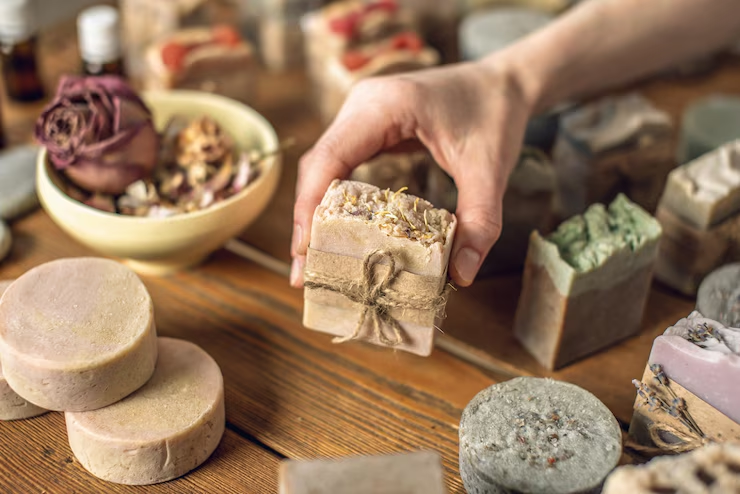
Handmade Bath & Body on Amazon: Which Soaps, Scrubs, and Bath Bombs Are Worth the Premium
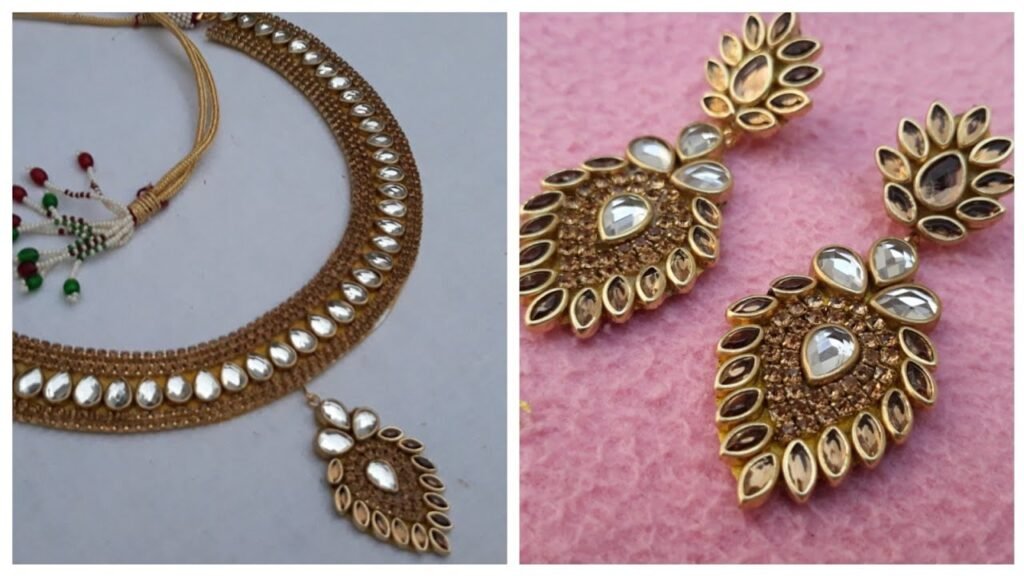
Handmade Earrings and Bracelets on Amazon: Which Ones Are Actually Worth Putting On

Handmade Home Décor That Actually Earns a Spot in Your Home
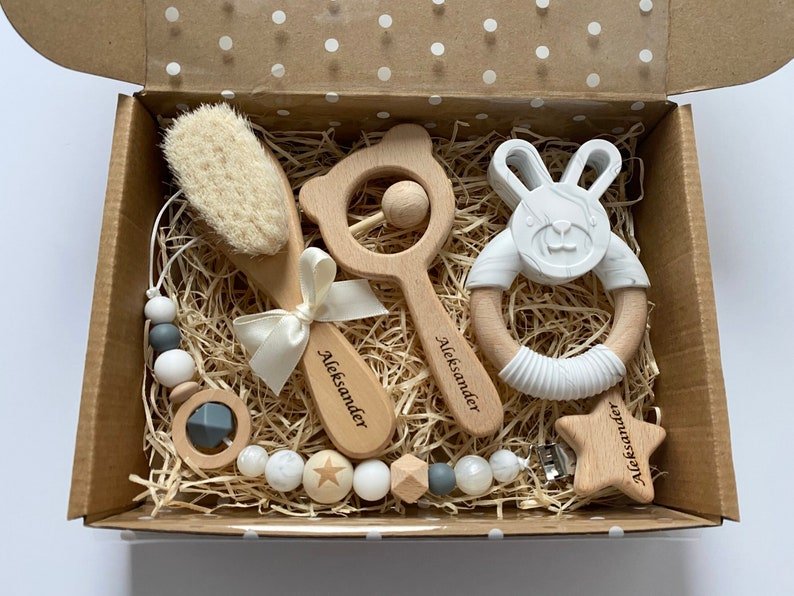
The Best Handmade Baby Gifts on Amazon — And the Ones That Only Look the Part
Three years of buying,
testing, and telling the truth.
Every one purchased at retail, used for a minimum of three weeks before a word was written.
Not every artisan product earns a recommendation — and we’d rather say nothing than say something we don’t mean.
Long enough for the novelty to fade. Long enough to find out if that handle loosens, the glaze crazes, or the scent turns.
Every product link is an Amazon affiliate link. If we recommend it, it’s because it passed our process — not because someone paid us to say so.
What readers actually say — including the qualifications.
We didn’t filter for the glowing ones. These are the real notes we’ve received.
I bought the carbon steel skillet based on your review and it’s been exactly as described — including the part about how much time you have to put in during the first two months of seasoning. That warning saved me from giving up on it early.
Your review of the wheel-thrown mugs was the first time I’d read something that actually explained the difference between thrown and jiggered pieces. I appreciated the honesty about the handle angle being slightly awkward — I still bought it, but I wasn’t surprised.
Found this site the week before my mother’s birthday. Your gift guide actually asked the right questions — “does she use her hands?” instead of “how much do you want to spend?” I ordered the hand-dyed silk scarf and she cried. Worth it.
Start here
You’ll leave knowing exactly what’s worth the price.
Browse by craft, by price point, or by occasion. Every review tells you what we loved, what disappointed us, and whether the story behind the product holds up to scrutiny.
“If you only post positive reviews, how are you different from any other site?” Fair question. About one in three products we test doesn’t make the cut. When that happens, we write up why and move on. Those write-ups are published too.


